照片里的你和镜子里的你,哪一个才是真实的你?
不知道大家有没有这样的经历:
每次洗完脸照镜子,都觉得自己光彩照人,美得像女娲的毕业设计。
但一打开前置摄像头,就怀疑自己只不过是女娲甩出的泥点子。

为什么镜子里的你比照片里的你更好看?哪一个才是我们的真实模样?
Here’s Why You Look Better in Mirrors Than You Do in Pictures
镜子里的你比照片里的你更好看的原因

Usually the greatest fear after a wild night of partying isn't what you said that you might regret, but how you'll look in your friends' tagged photos. Although you left the house looking like a 10, those awkward group selfies make you feel more like a 5, prompting you to wonder, "Why do I look different in pictures?" It's a weird phenomenon that, thanks to selfies, is making people question their own mirrors. Are pictures the "real" you or is it your reflection? Have mirrors been lying to us this whole time?
通常,一夜狂欢的派对过后,我们最害怕的不是说了什么可能会让自己后悔的话,而是朋友拍的照片中我们会是什么样子。尽管你离开家时打扮得漂漂亮亮,但那些尴尬的集体合照让你觉得自己更可能平平无奇,这使你想知道,“为什么照片中的我看起来不一样?”这是个奇怪的现象,多亏了自拍,人们开始质疑镜子。照片是“真实的”你,还是你的倒影?镜子一直在欺骗我们吗?
tagged photo 那种有标记指出来这个人是哪位的照片
The answer to that is a bit tricky. The good news is that there's a big chance that Quasimodo-looking creature that stares back at you in your selfies isn't an accurate depiction(描绘) of the real you. But your mirror isn't completely truthful either.
这个问题的答案有点棘手。好消息是,你自拍中那个长得像卡西莫多、盯着你的生物很可能不是你最真实的样子。但是,你的镜子也不完全是真实的。
Quasimodo 卡西莫多 法国文学家维克多·雨果创作的长篇小说《巴黎圣母院》中的人物,外貌奇丑无比。

卡西莫多(右)
Below, a scientific breakdown that might explain those embarrassing tagged photos of you:
下面的科学分解可以解释你那些尴尬的照片:

The mirror is a reflection. It's not the real you.
镜子里的只是你的反射影像,并不是真实的你。
Although we're the most comfortable and familiar with the face staring back at us while we brush our teeth in the morning, the mirror isn't really the real us. It's a reflection, so it shows how we look like in reverse. Because we're so used to seeing the reverse version of ourselves, seeing how we look in pictures can be jarring. And unless you're blessed with a perfectly symmetrical(对称的) face, the photo version of yourself can be even more wonky(靠不住的).
尽管我们对早上刷牙时看到的自己的脸最舒服、最熟悉,但那并不是真实的我们。它只是一个反射影像,呈现出来的是我们翻转过来的样子。因为我们已经习惯了看自己翻转后的样子,所以看到照片中的自己可能会感到不舒服。除非你有幸长了一张完美对称的脸,否则照片中的样子可能更让你感到震惊。
jarring /ˈdʒɑː.rɪŋ/ 感到不快的
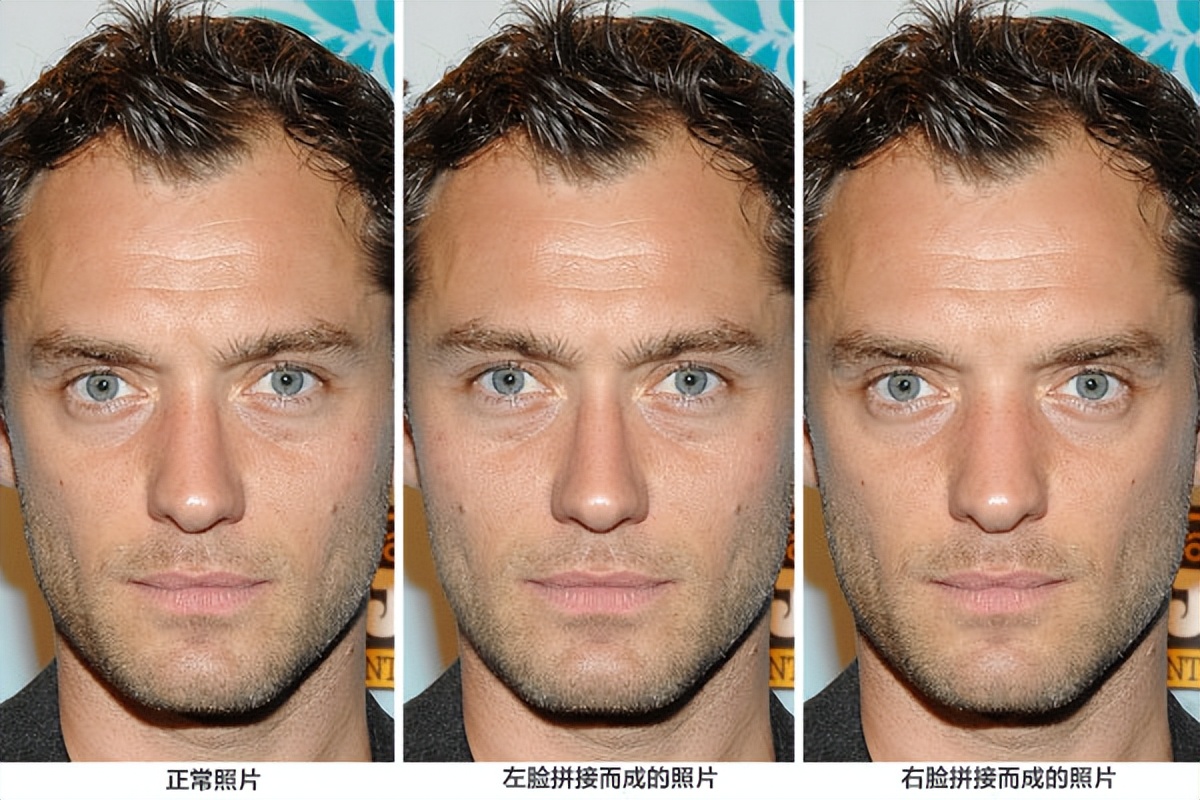
“We see ourselves in the mirror all the time—you brush your teeth, you shave, you put on makeup,” Pamela Rutledge, director of the Media Psychology Center, told The Atlantic. “Looking at yourself in the mirror becomes a firm impression. You have that familiarity. Familiarity breeds liking. You’ve established a preference for that look of your face.”
媒体心理学中心主任帕梅拉·拉特利奇在接受《大西洋月刊》采访时说:“我们总是通过镜子看到自己——刷牙、刮胡子、化妆时都是这样。镜子里的自己已经给我们留下了牢牢的印象。你对这种印象非常熟悉。熟悉滋生喜爱。你已经对自己在镜子里的样貌产生了偏好。”
familiarity / fəˌmɪliˈærəti / n.熟悉,亲切感
Scientists call this the "mere-exposure" effect. Basically, it's a behavior concocted(编造) by psychologist Robert Zajonc that says people react favorably to things they're most familiar with. So, when you see a flipped version of yourself, you immediately hate it or even find it grotesque(奇怪的) because it's the opposite of what you're used to. So although we think we look better in a mirror, we're more psychologically inclined to feel that way even if we truthfully look better in photos. Weird, huh?
科学家称之为“单纯曝光”效应。总的来说,这是心理学家Robert Zajonc提出的一种行为,即人们对自己最熟悉的事物产生好感。所以,当你看到翻转过来的自己时,你会立即厌恶这个形象,甚至觉得它很怪异,因为它跟你习惯的样子截然相反。因此,即使照片中的我们更好看,但我们认为镜子里的自己看起来更舒服,我们心理上更倾向于这种感觉。奇怪吧?

favorably adv.亲切地
The camera lens also plays a part.
相机镜头也在作祟。
lens/ lenz / n.(相机的)镜头
So if your reflection isn't the real you, does that mean your ugly selfies are your "true self"? Although mirrors show a flipped version of yourself that tones down the harshness of your asymmetries(不对称), the myth that "pictures never lie" isn't true either. After all, most people take more than one selfie before they find their most flattering one, and usually it takes a combination of angles, lighting, and duck lips before landing one that's Instagram-worthy.
那么,如果你的反射镜像不是真实的你,是否意味着那些不好看自拍是 “真实自我”?虽然镜子呈现的是你翻转后的自己,缓和了你的脸不对称的严酷事实,但“照片从不撒谎”的神话也不完全正确。毕竟,大多数人在拍出最讨人喜欢的自拍前,要拍许多张,这些自拍常常需要结合角度、光线和嘟嘴多种元素,才能找到一张适合上传到社交网络的自拍。
tone down 缓和
harshness / ˈhɑːʃnəs / n.严酷
flattering adj. 使人显得更漂亮的
But the problem might not be your angles, it could be lens distortion(变形). Because of the proximity(靠近) of your face to the camera, the lens can distort(扭曲) certain features, making them look larger than they are in real life. Pictures also only provide a 2-D version of ourselves. Depending on your features, if you have a soft, round face, photos can flatten your features and further distort the "real" you.
但问题可能不在你的拍摄角度上,而在于镜头失真。由于你的脸离相机很近,镜头会扭曲某些面部特征,使它们看起来比现实生活中更大。照片也只能拍出我们的二维图像。根据你的特征,如果你有一张柔和的圆脸,照片会让你的脸变扁平,进一步扭曲“真实”的你。
flatten v.(使)变平
For example, just changing the focal(焦点的) length of a camera can even change the width of your head. As Gizmodo writer John Herrman pens, the fancier the camera, the better you'll look in the picture:
例如,只改变相机的焦距甚至就可以改变你的头围。正如美国知名科技博客作者John Herrman说的,相机越金贵,拍出来的你越好看:

"Telephoto lenses are usually seen as more flattering, giving the impression that the subject is flattened, and slightly compressing the width of your foremost(最重要的) features, like your nose or breasts. So you might want to think twice before fleeing the pesky(讨厌的) paparazzi and their fancy zoom lenses; it's the tourist with the pocket cam whose snaps will make you look fat on the Internet."
“通常认为,长焦镜头更招人喜欢,人们感觉它拍出来的东西是扁平的,并能稍微压缩你重要特征的宽度,比如你的鼻子或胸部。所以,在逃离讨厌的狗仔队和他们千奇百怪的变焦镜头之前,你可能需要再想想;因为拿着口袋相机的游客拍的照片会让你传到网络上的样子看起来很胖。”
pen v.写,撰写
telephoto lens长焦镜头
paparazzi / ˌpæp(ə)ˈrætsi /n.狗仔队
zoom n.变焦镜头
And because cameras don't show the 3-D version of you, it's easy to "trick" cameras to present a reality that's not even true. Professional models have perfected this, which is why people can do photo sorcery(魔术) like this by merely tweaking their angles.
相机不会显示你的三维样貌,所以很容易“误导”镜头拍出一个不真实的样子。专业模特已经完善了这一点,这就是人们可以通过调整角度来拍出差异巨大的照片的原因。
perfect v.完善
It's also the camera flash.
相机闪光灯也有责任。
Although good lighting is the key to all flattering photos, a harsh flash from your iPhone can actually make you look a lot worse, especially if it's taken in a dark room. In fact, according to OKCupid, harsh camera flashes add seven years to your face. In addition to making you look shiny and greasy(油腻的), cameras can't adjust to lightness and darkness the ways our eyes naturally can. Cameras can only focus on highlights or shadows, and sometimes that can result in lighting that can be less than flattering. A good rule of thumb is to stick to natural or outdoor lighting instead.
尽管优越的光线是优质照片的关键,但手机的刺眼闪光灯实际上会让你看起来更糟,尤其在黑暗的房间里拍摄。事实上,根据应用网站的观点,刺眼的相机闪光灯会让你的脸衰老七岁。除了让你看起来满面油光之外,相机不能像我们的眼睛一样自然适应明暗。相机只能聚焦在高光或阴影物体上,有时会导致光影让人反感。一个实用的拍摄法是,坚持在自然光或户外光线中拍照。

rule of thumb 经验法则
Your smile could also be the culprit(问题的起因).
你的微笑也可能是祸首。
Everyone knows what it's like to pose for an awkward photo, like a driver's license or a passport. The photos never turn out looking nice, and they hardly look like our natural smiles. When you're looking at yourself in the mirror, you're relaxed, confident, and more likely to smile and act naturally. If someone shouting "Say cheese!" at you makes you feel self-conscious about your unphotogenic reputation, obviously you're going to tense up and have a photo that looks different and foreign from the version you see in the mirror. It's best to relax when taking pictures and try to focus on something else. That tense, forced awkwardness will always translate to a bad photo.
每个人都知道,为拍摄一张尴尬的照片摆姿势是什么感觉,比如拍驾照或护照。这些照片看起来都不好看,上面很少有我们自然的微笑。当你看着镜子里的自己时,你会放松、自信,笑容和举止更有可能自然。如果有人对你大喊“茄子!”让你下意识想起自己不上相,可能你就会紧张起来,拍出一张与镜子里的你看起来截然不同的照片。拍照时最好放松,把注意力转移到其他事上。紧张、窘迫的尴尬总是会变成糟糕的照片。

tense up 紧张
It's possible you're less attractive than you think.
你可能没有自己想象的那么有魅力。
But no matter how many factors you want to blame for your crappy(糟糕的) pictures, it all boils down to psychology. Perhaps the reason you look different in pictures is because the version of yourself you like best is a figment(臆造的事物) of your imagination.
但是,不管你给自己蹩脚的照片想多少理由,归根到底都是心理学。也许照片里的你看起来不一样的原因是,你最喜欢的自己是你想象中的样子。
boil down to 归结为
According to a 2008 study, people tend to think they're more attractive than they really are. In the experiment, researchers photoshopped pictures of participants to make them look more attractive and then mixed those with photos of strangers. Next, they asked the subjects to pick their picture out of a line-up. People were quicker at picking photos where they looked more attractive, concluding that "attractiveness" was the version of themselves they were most familiar with.
根据2008年的一项研究,人们倾向于认为自己比实际更有吸引力。在实验中,研究人员把参与者的照片进行了美化,使他们看起来更有吸引力,然后将这些照片与陌生人的照片混在一起。接下来,他们要求参与者从排成一排的照片中选出自己的照片。参与者更快地挑选出那些自己看起来更有吸引力的照片,总而言之,他们认为“有魅力的自己”是他们最熟悉的自己。

However, other experts have also said the opposite, that people tend to think they're less attractive than they really are. Whatever the case, if you're beating yourself up about why you look different in mirrors and pictures, there's a good chance that all your fear and anxiety is just in your head. It's sort of similar to how people hate the sound of their own voice. Perhaps the key to looking better in pictures is taking as many selfies as you can to help familiarize yourself with both the "mirror" and "camera" version of yourself.
然而,其他专家对该实验结果有不同的观点,人们倾向于认为自己没有魅力。不管什么情况下,如果你为自己在镜子里和照片中看起来不同而懊恼,很有可能你脑海中存在着恐惧和焦虑。这有点类似于人们讨厌自己的声音。或许,让照片中的自己看起来更顺眼的关键是尽可能多自拍,来帮你熟悉“镜子”和“相机”里不同的自己。
beat yourself up 自责不已
“People who take a lot of selfies end up feeling a lot more comfortable in their own skin because they have a continuum(连续体) of images of themselves, and they’re more in control of the image,” Pamela said. “Flipped or not flipped, the ability to see themselves in all these different ways will just make them generally more comfortable.”
帕梅拉说:“经常自拍的人最后会对自己的皮肤更满意,因为他们看到自己不同时期的形象,他们更能控制自己的形象。”“翻转或不翻转我们的样貌,从不同方式观察自己的能力会让他们整体上更开心。”
你喜欢镜子里的自己,还是照片里的自己?